A dental emergency can happen at any time. It may be a sudden toothache, a broken tooth, or an injury during a game. These situations are painful and stressful. If you face a dental emergency in Rexburg, you need fast help.
Quick care protects your smile during urgent dental problems. Treating dental problems right away can save a tooth, reduce swelling, and lower the risk of infection. It is important to stay calm and get professional care as soon as possible. Simple steps in the first few minutes make a big difference in your oral health.
This guide explains what counts as a dental emergency. You learn safe steps to take, when to call for help, and how to manage toothache, swelling, and broken teeth until you reach the dental clinic.
What Counts as a Dental Emergency
A dental emergency involves serious risk to teeth or gums. You need urgent help when pain feels strong and constant. Other emergencies include heavy bleeding, fast swelling, or a knocked out tooth. A deep crack, broken crown, or loose adult tooth also counts.
Some problems feel small and can wait a short time. A small chip in a tooth without pain can wait a day or two. Call for emergency dental care when severe pain, a knocked-out tooth, a large crack, or major swelling. You also need urgent help with trouble chewing, breathing, or opening wide.
Common Signs You Need Emergency Dental Treatment
You need emergency dental treatment when a mouth problem feels strong, sudden, or unsafe. These signs show you need fast care to protect a tooth or stop a growing problem.
- Severe toothache: Strong tooth pain that keeps going and feels deep in the tooth.
- Swelling or abscess: Swelling around a tooth or gum with pressure or warmth in the area.
- Knocked out tooth: A tooth that gets pushed out during a hit or fall.
- Broken or cracked tooth: A tooth with a deep crack or a missing piece that hurts when you bite.
- Bleeding that will not stop: Bleeding in the mouth that continues after gentle pressure.
- Lost filling or crown: A tooth that feels open, painful, or sensitive after the filling or crown comes out.
- Loose adult tooth: A tooth that moves after an injury or feels out of place.
First Steps to Take During a Dental Emergency
A dental emergency feels sudden, and your next steps matter. These actions help protect the tooth, calm the mouth, and guide you through the first few minutes. Use them when pain appears fast, swelling starts, or a tooth gets hurt.
- Stay calm: Take one slow breath and focus your mind. Speak softly if you help someone else.
- Call a dentist: Tell the dentist what happened. Ask for the next step. Use the emergency number if the office is closed.
- Pick up broken pieces or the tooth: Grab the tooth from the top part only. Rinse it with water if needed. Keep it moist in milk. Do not touch the root or let it dry.
- Stop bleeding: Rinse with warm water. Press clean gauze on the spot until bleeding slows.
- Ease pain or swelling: Place a cold pack on your cheek. Use a safe pain reliever. Never place aspirin on the tooth or gums.
When to Call an Emergency Dentist in Rexburg
Call an emergency dentist when a mouth problem feels too strong to manage at home. You need fast help when tooth pain builds, a tooth gets loose, or swelling starts near the gum. Bleeding that keeps going or a tooth that comes out also needs an urgent call. When your mouth changes fast, it is the right time to reach out.
In Rexburg, many people call Bauer Family Dental the moment strong pain or swelling begins. The clinic takes you through the next step and helps you know what to do until you arrive. You can call the office anytime the problem feels sudden or unsafe for a normal visit.
When a Dental Emergency Requires the ER
Some dental problems are too serious for an office visit and need hospital care. You go to the ER when a mouth injury affects your jaw, breathing, or overall health. These signs show the emergency needs medical help before a dentist can treat the tooth.
- Severe facial injury or broken jaw: A hard hit that affects your jaw or face needs ER care. Pain, swelling, or trouble moving the jaw also need hospital support.
- Bleeding that will not stop: Bleeding in the mouth that keeps going after firm pressure needs ER attention.
- Trouble breathing or swallowing: Swelling in the mouth, jaw, or throat that makes breathing or swallowing hard needs fast medical care.
- High fever with dental swelling: A dental abscess with fever or spreading facial swelling needs hospital treatment.
ER teams help with pain, infection, and jaw injuries, but they cannot repair teeth. After the hospital stabilizes the problem, you return to your dentist for the final dental treatment and full follow-up care.
How to Manage Common Dental Emergencies
A dental emergency can feel confusing, but simple steps help you stay safe until you reach the dentist. Each problem needs quick care, gentle handling, and attention to pain or swelling that starts without warning.
Toothache or Abscess
A strong toothache or swollen gum needs quick cleaning and care.
- Rinse with warm water to clear the area.
- Floss gently around the tooth to remove trapped food.
- Use a light salt-water rinse to calm gum swelling.
- Place a cold pack on the cheek to reduce pain.
- Take a safe pain reliever if needed, but never use aspirin on the tooth or gum.
A toothache with swelling or pressure can point to an infection, so call your dentist soon for treatment.
Knocked-Out Tooth
A knocked-out adult tooth needs fast, careful steps.
- Hold the tooth only by the crown and rinse gently if dirty.
- Place it back in the socket if it slides in without force.
- If not, keep the tooth moist in milk or saliva.
- Try to reach the dentist within 30 minutes.
For a baby tooth, do not place it back. Use gauze for bleeding and visit the dentist so they can check the gum and prevent healing.
A loose or shifted tooth after an injury also needs care. Do not push the tooth back firmly. If it moves gently, guide it lightly toward its spot and stop if it hurts. A cold pack can reduce swelling as you travel to the dentist.
Broken or Chipped Tooth
A chipped or broken tooth needs quick cleaning and protection.
- Rinse with warm water to clear loose debris.
- Place broken pieces in milk or water and bring them with you.
- If bleeding starts, press gauze on the area.
- Use a cold pack to ease pain.
- Avoid biting on that side.
If a sharp edge remains, place dental wax or sugar-free gum over it to protect your tongue and cheek. Call your dentist soon so they can repair the tooth.
Lost Filling or Crown
A lost filling or crown leaves the tooth uncovered and sensitive.
- Rinse to clear food from the area.
- For a missing filling, place sugar-free gum or temporary filling material to shield the spot.
- For a crown, clean the crown and tooth if possible.
- Set the crown back on the tooth without force or use dental cement from a drugstore.
- Keep the crown in a safe place if it will not stay on.
Call your dentist so they can replace the filling or reattach the crown.
Cut or Bitten Tongue, Lip, or Cheek
Soft-tissue injuries bleed quickly and need steady care.
- Rinse with clean water to wash the wound.
- Press gauze or a cloth on the area to slow bleeding.
- When bleeding slows, use a cold pack to reduce swelling.
- Keep small cuts clean and rinse with salt water to protect healing.
If bleeding continues after firm pressure or the cut looks deep, seek medical care. Some injuries need stitches to heal well.
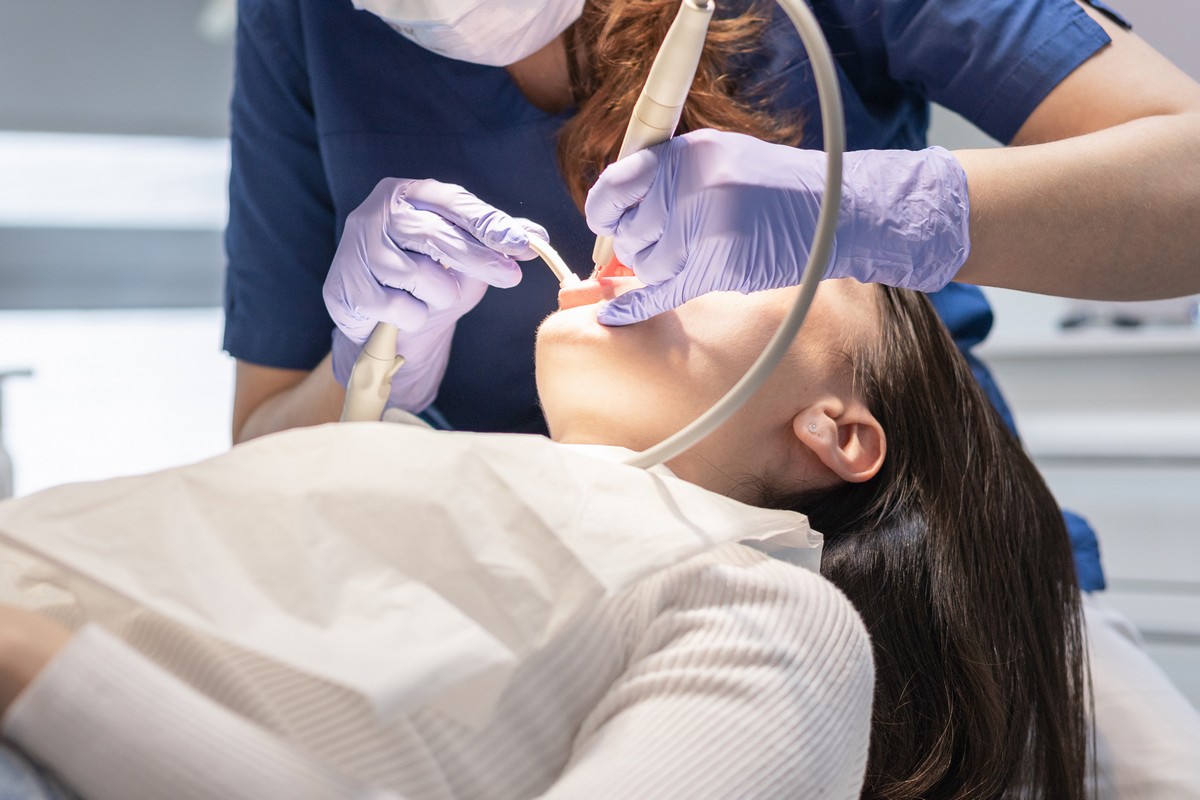
Procedures Performed During an Emergency Dental Visit
What Not to Do During a Dental Emergency
A dental emergency creates stress, but the wrong actions can make the problem worse. Knowing what to avoid helps protect your teeth, gums, and mouth until you reach the dentist.
- Do Not Panic: Staying calm helps you make safer choices. Take one slow breath and focus on getting help.
- Do Not Ignore Strong Pain: Pain that grows or doesn’t settle needs attention. Waiting can allow swelling or infection to build, so call your dentist when pain feels severe.
- Do Not Put Aspirin on the Tooth or Gum: Aspirin on the tooth can burn the tissue and increase discomfort. Swallow pain medicine safely, but keep it off the tooth and gum.
- Do Not Poke the Area: Touching a painful tooth with fingers or objects can push food deeper or injure the gum. Leave the spot alone until the dentist checks it.
- Do Not Pull a Loose Tooth Yourself: Trying to remove a loose or damaged tooth can break it and expose the gum to infection. Let the dentist remove or stabilize the tooth safely.
- Do Not Use Glue on Broken Dental Work: Super glue or household adhesives can harm your mouth. Keep the broken crown, bridge, or denture safe and bring it to your dentist.
How to Reduce the Risk of Dental Emergencies
Strong daily habits help protect your teeth and gums. Small steps each day lower your chance of sudden pain, swelling, or broken teeth. These guides help you keep your mouth safe from emergency problems.
Maintain Good Oral Hygiene
Healthy teeth start with simple daily care. Brush twice a day with fluoride toothpaste. Floss around each tooth to clear trapped food. A clean mouth lowers the chance of decay, gum pain, and deep infection. Strong teeth are also less likely to crack when you bite.
Get Regular Dental Check-Ups
Routine visits help your dentist find problems early. Cleanings remove plaque before it harms your gums. Exams can spot tiny cracks, early decay, or loose fillings. Fixing these issues early helps prevent sudden toothache or swelling later.
Wear a Mouthguard for Sports
Teeth need extra protection during sports. A fitted mouthguard helps prevent broken or knocked-out teeth during hard contact. If you grind your teeth at night, ask your dentist about a night guard. A guard cushions the teeth and limits cracks or wear.
Avoid Chewing Hard Objects
Your teeth can break when you bite hard items. Skip ice, hard candy, popcorn kernels, or pen caps. Never use your teeth to open bottles or tear packages. These habits can lead to cracks, chips, or loose teeth. Use tools for tasks and save your teeth for chewing food.
Address Dental Problems Early
Small problems grow when ignored. Call your dentist if you notice a small cavity, chipped tooth, or new pain. Fixing these issues early prevents larger trouble, like abscesses or deep cracks. Treating a minor problem now helps you avoid a sudden dental emergency later.
Emergency Dental Care Options in Rexburg
When a dental emergency happens in Rexburg. Bauer Family Dental offers same-day care when possible and uses an emergency phone line for after-hours calls. You can call the office at (208) 390-0109 when strong pain, swelling, or an injury starts. Dr. Bauer and the team focus on calming the pain and checking the problem quickly.
You can still call if you are new to the office. Many dentists in Rexburg try to see urgent cases and guide you on the next step. Contact a dental office as soon as the problem begins so you get the right care.
Conclusion
A dental emergency feels sudden, but calm action helps protect your teeth. Quick care reduces pain and stops problems from getting worse. When your mouth hurts or changes fast, call a dentist for help.
Daily habits also lower the chance of emergencies. Brush your teeth two times each day. Visit your dentist for regular checks. Use a mouthguard for sports or grinding. Watch for new pain or swelling. These habits keep your teeth strong and safe.