
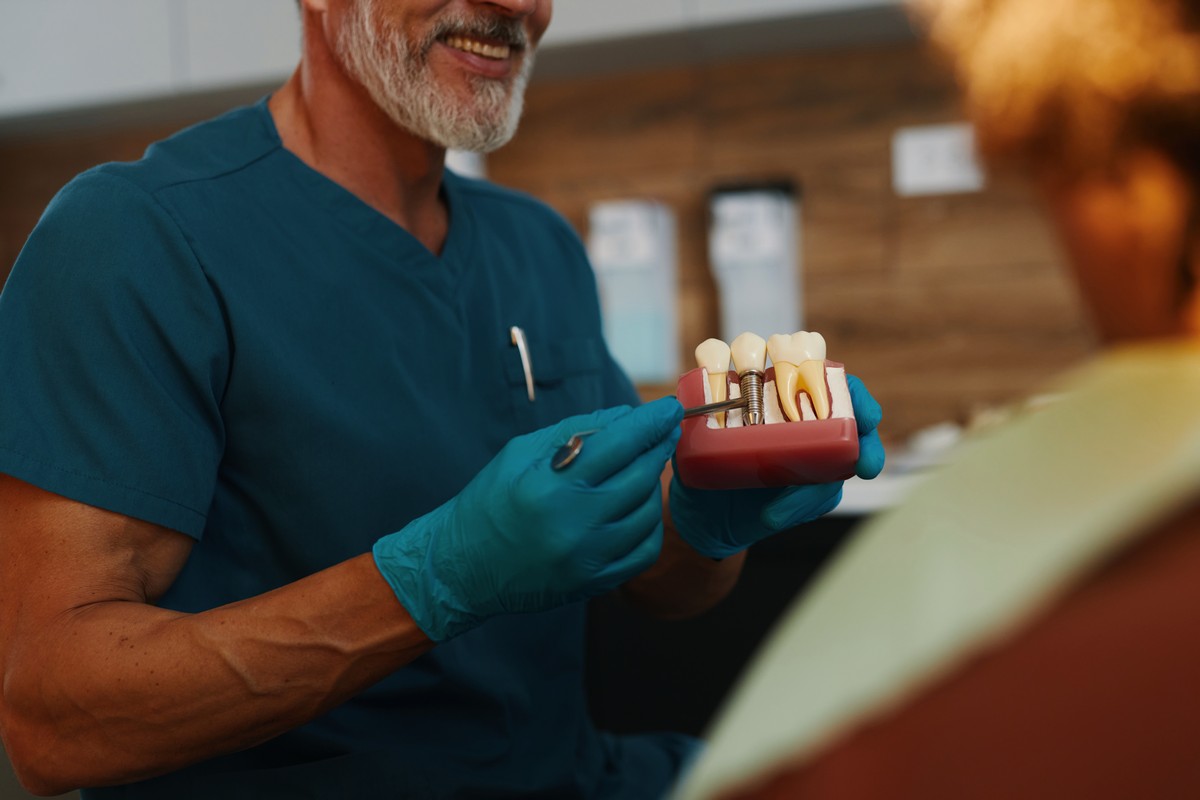
About 120 million adults in the US have at least 1 missing tooth. Tooth loss from dental caries, periodontitis, or trauma harms function and looks. Loss of the root triggers alveolar bone resorption, teeth drift, bite changes, and a sunken face.
A dental implant works like a titanium root placed inside the jawbone. Through osseointegration, it fuses with bone to hold an abutment and implant crown that look and feel natural. You can chew easily, speak normally, and smile with confidence again.
Dental implants preserve jawbone, protect facial shape, and restore daily comfort for decades making them the gold standard for replacing missing teeth.
At Bauer Family Dental in Rexburg, Idaho, every implant plan uses 3D imaging and bone health scans to ensure strength and comfort. Long-term peri-implant care keeps the result healthy and stable for years.
Benefits of Choosing Dental Implants
Dental implants provide a long-term tooth replacement that restores oral health and daily comfort. Each titanium post fuses with the jaw through osseointegration, protecting the jawbone and maintaining facial support. Implants hold nearby teeth in position, return chewing strength, and improve speech without the slipping common with dentures.
With a success rate above 95%, implants remain the most dependable solution for missing teeth.
Below are 7 major benefits that explain why implants are trusted for lasting oral health and quality of life.
1. Prevents Jawbone Loss and Facial Sagging
When a tooth is gone, the jawbone under it stops getting pressure from chewing. Without that root contact, the bone starts to shrink, a natural process called atrophy. In one year, that area can lose a large part of its width, which makes the jaw weaker and the face look sunken.
A dental implant ends that loss. The titanium post works like a new tooth root and sends normal chewing signals to the bone. Through osseointegration, the bone fuses with the implant, keeping it strong and dense.
According to the U.S. FDA, implants help prevent bone shrinkage and support the shape of the face. They protect the jawline, hold the lips and cheeks in place, and reduce early facial aging linked with missing teeth. Other options like dentures or bridges sit on top of the gums and do not stimulate the bone, so the bone continues to thin with time.
Choosing an implant preserves jaw strength and facial balance for life.
2. Keeps Nearby Teeth Stable and Healthy
A dental implant protects the teeth beside a missing one. When an empty space stays open, nearby teeth move toward it, upsetting the bite balance and loosening their support. The implant fills that space, keeping every tooth in its natural position and helping the bite stay even. The U.S. FDA notes that implants help maintain the stability of adjacent teeth and prevent drifting over time.
A single implant also keeps healthy teeth untouched. A dental bridge needs the two teeth next to the gap to be filed down for support, removing protective enamel and raising the risk of decay or nerve irritation. Research in the Journal of Clinical Periodontology found that implants preserve neighboring teeth better than bridges, keeping more of the natural structure intact.
Filling the space with an implant also improves oral hygiene. Open spaces can trap food and bacteria, leading to gum inflammation or cavities. An implant closes that area and helps keep the mouth cleaner. Together, these benefits create a balanced bite, a stronger smile, and healthier teeth all around.
3. Restores Chewing Ability for Better Nutrition
A dental implant brings back chewing strength and masticatory force lost with missing teeth or loose dentures. When teeth are missing, occlusal stability drops, so people avoid apples, nuts, and raw vegetables. That reduces diet quality and meal comfort.
The implant post anchors in the jawbone for strong implant anchorage and bone support. After osseointegration, the implant works like a natural tooth. It stays fixed during meals, improves chewing efficiency, and prevents plate changes just to avoid firm foods.
The U.S. FDA lists restoration of the ability to chew as a major health benefit of implants.
The American Academy of Implant Dentistry reports that even a single missing tooth lowers grinding efficiency for nutrient-dense foods.
Many patients then rely on soft, processed meals, which drags down a balanced diet and overall health. Stable implants remove that limit, so you can eat fresh produce, lean proteins, and fiber-rich foods with confidence
4. Helps You Speak Clearly Again
Teeth guide the tongue and lips when forming sounds. Missing teeth, especially front ones, disturb airflow and speech production, making some words sound slurred or whistled. Loose dentures can also move or click while you talk, breaking rhythm and focus.
Dental implants restore pronunciation and control. Each implant fills the open space and stays secure in the bone through osseointegration. With stable support, the tongue and jaw move naturally again, allowing smooth articulation of “s,” “f,” and other sharp sounds.
The Cleveland Clinic reports that implants improve speech clarity and make the voice sound more natural than removable dentures. Their fixed base returns full control of mouth motion, helping every word sound steady and balanced.
The U.S. FDA notes that tooth loss can cause defective speech, but replacing missing teeth with implants restores normal pronunciation and confidence in conversation. With implants, you can speak, smile, and laugh freely, as if the teeth had never been lost.
5. Looks, Feels and Functions Like a Natural Tooth
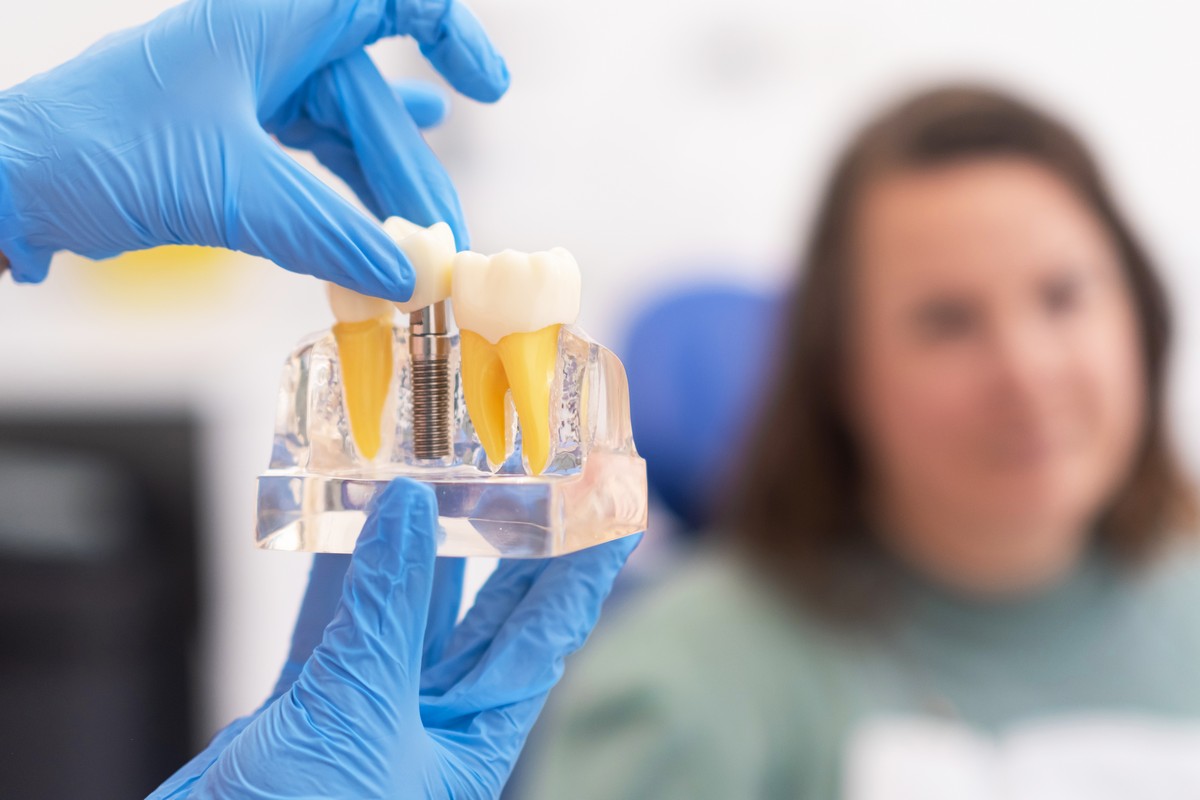
A dental implant replaces the root and holds a custom crown that matches your teeth. The crown is shaped for proper size, shade, and fit along your smile line. Zirconia or porcelain materials keep the color natural and strong.
The crown attaches to an abutment with a smooth emergence profile, making the gum line look normal. There are no metal clasps or plates on the palate. The implant blends cleanly with nearby teeth.
The implant is fixed in bone and gives firm root support, so the tooth feels solid while biting or speaking. It stays still, does not rub, and lets you chew without discomfort.
The American Academy of Implant Dentistry states that implants look, fit, and work like healthy teeth, helping you smile and eat with confidence every day.
6. Easy to Care For Like Natural Teeth
Dental implants stay fixed, so daily care follows the same steps as caring for natural teeth. Brush twice a day and floss once around the implant crown and abutment. Use a soft brush with fluoride toothpaste. No trays. No adhesives. No special cleaners.
Cleaning routine:
- Brush: move gently along the gum line around the implant.
- Floss: wrap around the crown; add an interdental brush if space allows.
- Rinse: use an alcohol-free mouthwash if your dentist advises.
- Visits: professional cleanings and checkups twice a year.
A stable implant supports plaque control and prevents peri-implant mucositis or peri-implantitis. The U.S. FDA confirms implants help preserve nearby bone and gum health when kept clean.
Removable dentures need soaking and creams. Bridges need threaders to clean under false teeth. An implant stands alone, so brushing and flossing reach every surface with ease.
7. Long-Lasting and Highly Successful
Dental implants are made to last. The titanium post fuses with the jawbone through osseointegration, forming a firm and permanent base. The biocompatible material resists decay and wear, becoming part of the bone.
With daily brushing, flossing, and dental visits, an implant can last 20 years or longer, and many remain functional for life. Dentures need replacement every few years, and bridges may weaken nearby teeth. An implant stays fixed and protects surrounding structures.
Clinical studies from the American Dental Association show a success rate of 95–98% with proper care. Healing is predictable, and most patients use their implants for decades without issues.
The long life of an implant reduces future dental work and helps preserve bone. It is one of the most durable and dependable tooth replacement options for a stable, lasting smile.
Conclusion
Dental implants preserve the jawbone, keep nearby teeth stable, and restore natural chewing and speech. They look natural, feel comfortable, and last for decades with routine care.
At Bauer Family Dental in Rexburg, Idaho, our team uses 3D imaging to plan and place implants with precision that matches your smile. Each patient receives a full evaluation to ensure the implant fits their bone density and bite alignment.
A well-placed implant improves health, confidence, and everyday comfort. With proper care, it remains a strong part of your smile for life.